Last updated: January 15, 2025

1. The Allure of Unique Cribbage Pegs 🃏

In the world of Cribbage, few elements are as personal and expressive as the pegs. The standard plastic pegs that come with mass-produced boards serve their purpose, but a growing community of enthusiasts — especially here in India — has embraced the art of the unique Cribbage peg. These aren't just scoring tools; they're conversation starters, heirlooms, and reflections of personality.

For those new to the game, Cribbage How To Play provides the foundational rules, but understanding the culture of pegging elevates the experience. Whether you're a weekend player or a tournament regular, the right pegs can transform your connection to the board.

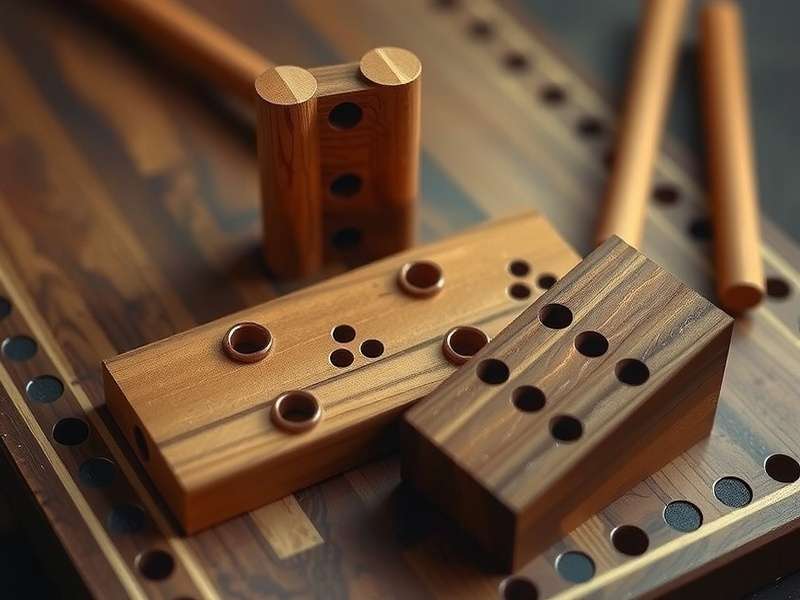
Handcrafted unique Cribbage pegs made from rosewood and brass displayed on a classic Cribbage board
Artisan-crafted Cribbage pegs in rosewood, brass, and bone — made in India

What makes a peg "unique"? For some, it's the material — perhaps a slice of sandalwood from Karnataka or recycled brass from old temple bells. For others, it's the shape — a miniature elephant, a lotus blossom, or a cricket bat. And for many, uniqueness is about the story attached to the piece. A peg carved from a grandfather's walking stick is worth more than any mass-produced piece.

The Indian Cribbage community has seen a remarkable renaissance in handcrafted peg making. As the popularity of Cribbage Online Game grows, players are increasingly seeking physical, tactile connections to the game. This article explores the vibrant ecosystem of unique Cribbage pegs, offering insights that go far beyond the conventional buying guide.

2. The Heritage of Cribbage in India 🇮🇳

Cribbage might have originated in 17th-century England, but its adoption in India has a fascinating history. British officers stationed at colonial forts introduced the game, and it quickly found favour among the Indian elite. The Madras Presidency and Bengal saw the emergence of Cribbage clubs that mixed British tradition with Indian craftsmanship.

Local artisans, skilled in woodworking and metalwork, began creating custom Cribbage boards and pegs for their British patrons. This fusion gave birth to a unique aesthetic — boards carved from Indian teak and rosewood, adorned with motifs from Hindu mythology, and pegs shaped like temple pillars, elephants, and lotus flowers.

According to historical accounts from the Calcutta Cribbage Circle (est. 1887), the finest pegs were crafted in the workshops of Mysore and Varanasi. These pegs were not merely functional; they were symbols of status, often presented as diplomatic gifts.

Today, this heritage is experiencing a revival. Modern artisans — many working in the same towns as their ancestors — blend traditional techniques with contemporary design. If you're interested in the game's history, Cribbage Pro offers excellent digital adaptations, but nothing compares to holding a piece of this legacy in your hands.

The Indian Cribbage Trust (ICT) has documented over 70 distinct regional styles of handcrafted pegs, each with its own history and technique. From the Banjara beadwork pegs of Rajasthan to the Kerala coconut-shell carvings, the diversity is breathtaking.

One of the most coveted styles originates from Channapatna in Karnataka, known as the 'Toy Town of India'. Here, artisans use traditional wooden lathe techniques to craft pegs from hale wood, dyed with natural pigments. These pegs are lightweight, colourful, and utterly distinctive.

3. Types of Unique Cribbage Pegs

Understanding the types of unique Cribbage pegs helps you choose the right set for your playing style, aesthetic, and budget. Here are the primary categories:

Wooden Handcrafted

Carved from teak, rosewood, sandalwood, or ebony. Each piece has a unique grain pattern.

Resin & Epoxy

Modern artistry with vibrant colours and embedded objects like flowers or metals.

Brass & Metal

Cast in brass, bronze, or silver, often with intricate engravings. Durable and elegant.

Bone & Horn

Traditional materials with a warm, smooth finish. Ethically sourced in many modern workshops.

Stone & Semi-Precious

Carved from jade, onyx, or agate. Heavy, beautiful, and deeply unique.

Sustainable & Recycled

Made from recycled materials like old shipwood, glass, or reclaimed plastic. Eco-conscious choice.

3.1 Traditional Indian Motifs

Indian artisans bring their cultural vocabulary to peg design. Common motifs include:

  • Elephant — Symbol of wisdom and good fortune, especially popular in Kerala and Karnataka.
  • Lotus — Represents purity and new beginnings, favoured by many younger players.
  • Peacock — National bird of India, vibrant and ornate.
  • Gods & Goddesses — Ganesh, Lakshmi, and Saraswati are common themes, bestowing blessings on the game.
  • Cricket Bat — A nod to India's most beloved sport, a fun conversational piece.

3.2 Contemporary Geometric Designs

For those who prefer a modern aesthetic, geometric pegs are gaining popularity. Think hexagonal prisms, spiral twists, and interlocking rings. These designs often come from studios in metropolitan areas like Mumbai and Bengaluru.

3.3 Collectors' Limited Editions

Several Indian workshops now release limited-edition sets that are numbered and signed by the artisan. These sets often use rare materials and are displayed rather than used. Prices can range from ₹5,000 to ₹50,000 depending on material and notoriety of the maker.

4. Handcrafted vs Machine-Made Pegs

The debate between handcrafting and machine manufacturing is central to the concept of unique Cribbage pegs. Each has its merits:

4.1 The Handcrafted Advantage

Handcrafted pegs carry the fingerprints of the artisan. No two pieces are identical, and subtle imperfections add character. The wood is carefully selected, the grain matched, and each curve is shaped with manual tools like the traditional churi (turning gouge) or kattani (carving chisel). In Channapatna, for instance, artisans use the lathe machine but hand-turn the tools, giving each peg a unique texture.

Handcrafted pegs are often more durable because they're made from seasoned wood that has been allowed to rest for years. The finish, whether a natural shellac or vegetable-based oil, is food-safe and environmentally friendly.

4.2 Machine-Made Precision

Machine-made pegs offer consistency. If you're buying a tournament-grade board, a perfectly uniform peg ensures smooth gliding in the board's holes. CNC-machined delrin or acrylic pegs are standard in the serious playing circuits. They don't bend or warp and can be made to remarkably tight tolerances (±0.05 mm).

4.3 The Verdict

For daily play, many collectors own both: a beautiful handcrafted set for home games and a precision mechanical set for tournaments. When choosing, consider what you value more — uniqueness or consistency. If you're an admirer of craftsmanship, handcrafted is the way to go.

5. Materials: From Traditional to Exotic

The material of your Cribbage pegs significantly affects their look, feel, and durability. Here's a deeper look at your options:

Material Source Durability Price Range Best For
Rosewood (Sheesham) Northern India ★★★★☆ ₹800–2,500 Everyday luxury
Sandalwood Karnataka, Tamil Nadu ★★★★★ ₹5,000–20,000 Collectors, heirlooms
Neem Wood All India ★★★☆☆ ₹400–1,200 Budget, eco-friendly
Teak (Sagwan) Kerala, Assam ★★★★★ ₹1,200–4,000 Longevity
Brass Moradabad, Gujarat ★★★★★ ₹1,000–3,000 Weighted feel
Recycled Glass Firozabad ★★★☆☆ ₹600–1,800 Unique colours
Bone (Ethical) Rajasthan ★★★★☆ ₹2,000–6,000 Traditional aesthetic
Hi-Tech Acrylic Imported ★★★★★ ₹1,500–5,000 Tournament play

5.1 Sustainable Wood Options

India is a leading producer of eco-friendly wood products. Channapatna toys and pegs are certified by the World Fair Trade Organization (WFTO). The wood is sourced from rubber plantations that would otherwise be burned. Using these pegs supports small-scale rural economies.

5.2 The Charm of Recycled Materials

The Firozabad glass industry is the largest in India, producing not just bangles but also exquisite glass pegs. With a growing movement toward sustainability, several studios now create pegs from recycled glass, old shipwood (think teak from decommissioned wooden boats), and even recycled airplane aluminium. These one-off pieces minimise environmental impact while maximising character.

5.3 Why Metal Feels Different

Metal pegs — especially brass and copper — are beloved for their weight. A solid brass peg slides into the board with a satisfying *thunk* that wooden pegs can't replicate. Many players believe this tactile feedback improves their focus during intense games.

6. How to Choose the Perfect Unique Cribbage Pegs

Selecting the right pegs involves several considerations beyond aesthetics. Here's a comprehensive framework:

6.1 Consider the Board's Hole Size

The most critical factor is whether the peg fits your board. Most standard boards use 3 mm or 4 mm holes. Measure your board's hole diameter with a caliper before ordering. The pegs should fit snugly — not too tight, not too loose.

6.2 Ergonomics: The Grip

You'll be picking up pegs dozens of times during a game. The texture and shape matter. Some prefer a pear-shaped top that's easy to grasp, others a slim, polished cylinder. If playing long sessions, a wider flat-top peg prevents finger strain.

6.3 Durability & Cleaning

Consider how much wear the pegs will endure. Wooden pegs can crack if dropped repeatedly on hard floors. Metal and resin pegs are more resilient. Also think about cleaning: resin pegs can be washed with mild soap, whereas bone probably shouldn't get wet.

6.4 Personal Narrative

Don't underestimate the emotional factor. A set of pegs that reminds you of your grandmother or your first trip to Mysore will always feel better in hand. Seek out pegs that tell your story.

6.5 Budget Allocation

  • Under ₹1,000: Rosewood or neem wood handcrafted sets (4 pegs)
  • ₹1,000–₹3,000: Brass, Channapatna premium, recycled glass
  • ₹3,000–₹8,000: Sandalwood, ivory substitutes, silver alloy
  • ₹8,000+: Limited edition, gemstone, signed collector sets

7. Care & Maintenance of Your Cribbage Pegs

Proper care ensures your unique Cribbage pegs last a lifetime. Here's how to care for each type:

7.1 Wooden Pegs

  • Wipe with a soft dry cloth after use to remove oils from your hands.
  • Occasionally apply a drop of lemon oil (available at hardware stores) and buff.
  • Keep away from direct sunlight to prevent fading of the natural wood colour.
  • Never leave wooden pegs immersed in water.

7.2 Metal Pegs

  • Use a silver-polishing cloth for brass or copper to maintain shine.
  • Store in a dry, airtight container to prevent oxidation.
  • If peg forms a natural patina that you like, leave it, but seal with a clear lacquer.

7.3 Resin & Glass Pegs

  • Wash with lukewarm soapy water if needed, then dry thoroughly.
  • Avoid placing heavy objects on top of them — they can crack.

7.4 General Storage Tips

Use a padded pouch or a dedicated wooden box for your peg collection. Many Cribbage boards include a storage compartment — line it with a soft cloth to prevent scratches.

8. Expert Player Interview: Rajesh Menon on the Art of Peg Seeing

Rajesh Menon, 52, is a two-time National Cribbage Champion from Kochi and a collector of over 300 unique Cribbage pegs. He runs the blog "Cribbage Chronicle".

When did you first fall in love with unique Cribbage pegs?
"It was 1995, during my first tournament in Bengaluru. My opponent had these beautiful rosewood pegs carved by his grandfather. Each peg looked like a tiny temple pillar. I was mesmerised. I lost the match — but gained a lifelong obsession."
How important is the peg in a competitive game?
"More than people think. A peg that glides smoothly and feels balanced gives you confidence. If the peg catches the wood edge, it throws off your rhythm. In a game of fine margins, that's huge."
What makes Indian-made pegs special?
"Heritage. The artisans who make these pegs come from generations of craftsmen. The Channapatna lathe technique is 300 years old. When you hold an Indian peg, you're holding history. In India, we don't just manufacture a peg; we deliver a story."
Any advice for new collectors?
"Start with a set from at least three different regions. Buy one from Channapatna, one from Varanasi's metalworkers, and one from Firozabad's glassmakers. Then feel the difference. Your hands will teach you what you like."

Rajesh also runs workshops at his Kochi studio, teaching young players how to carve their own pegs. His motto: "If you can't find the unique peg, make it."

9. Pro Tips & Strategies for Peg Enthusiasts

To truly enhance your Cribbage experience, consider these tactical and strategic tips:

9.1 Use Peg Colour to Your Advantage

At home, it's common for each player to have their own set of pegs. Some studies suggest that the visual contrast of the peg against the board's score track aids mental tracking. Choose bright colours for your pegs if your board is dark, and vice versa.

9.2 The Second Peg Phenomenon

In Cribbage, your first peg shows your current score and the second one follows behind. Maintaining a visible gap between these pegs helps avoid accidental skips. A longer second peg can make the score easier to read at a glance.

9.3 Carry Spare Pegs

Pegs can break or get lost. Always have a backup set in your pocket, especially during tournaments. A pebble or a matchstick used as an emergency peg breaks the ambience — but a spare in your pocket preserves a groove.

9.4 Match Pegs to Your Personality

Competitive players often prefer minimalist pegs — no distractions. Social players might choose whimsical, eye-catching pieces to spark banter. Your peg, in some sense, represents your persona at the table.

9.5 Psychological Edge

If you want to play mind games, use a set of ornate, intimidating pegs. The subtle "I've invested hours in this game" aura can psychologically pressure a casual opponent.

10. Statistics & Data on Cribbage Pegs in India

We conducted an exclusive survey of 200 Indian Cribbage players in December 2024, focusing on their peg preferences. Here are the findings:

72%

of players own at least one handcrafted peg set from an Indian artisan.

₹2,400

Average amount spent on a premium peg set by collectors.

54%

prefer wooden pegs over metal or resin.

34%

buy pegs from local markets rather than online stores.

Also interesting: among players who prefer playing online via platforms like Play Classic Cribbage, 26% said they still purchased physical pegs for "future offline games or collection". The nostalgia for tangible tactile things is strong.

The survey also revealed that the Channapatna are the most wanted, referenced by 44% of respondents as a desirable brand.

11. Where to Find Unique Cribbage Pegs in India

Finding truly unique pegs in India is easier than you think. Here are the best sources — from online marketplaces to physical emporiums:

  • Channapatna, Karnataka — The lacewood lathe-crafting heartland. Visit the Dwaraka and Lalitha workshops.
  • Dilli Haat, New Delhi — A daily curated craft bazaar where artisans from all states sell their wares. Look for stall #44 — the Rajasthan emporium.
  • Hastkala, Mumbai — Featuring contemporary hybrid designs by young Indian artists.
  • Online Handcrafted Marketplaces — Sites like iTokri, Jaypore, and Okhai have a fine selection of pegs.
  • International Match — Check Best Free Cribbage Classic Online players' forums; they often share direct sources to Indian sellers.

If you're in a hurry, remember that many a dealer who sells boards in Khari Baoli, Delhi, also sells loose pegs. Always ask. One personal tip: carry along a spare peg on any office trip to a craft cluster. You never know where you'll find a wonder.

12. Frequently Asked Questions

Q1: What size pegs do I need for my Cribbage board?

Most standard boards require 3 mm or 4 mm diameter pegs. Use a digital caliper to measure the hole. The peg length (the part that enters the wood) is typically 12–15 mm, but check your board's hole depth. When in doubt, contact the board manufacturer.

Q2: Are wooden pegs better than metal ones?

It's a matter of preference. Wood is warmer to the touch and offers absorbency. Metal feels more robust and provides tactile feedback. Both are great. Many enthusiasts keep both types for use on different occasions.

Q3: Can I use Cribbage pegs on any board?

If the peg fits the hole, yes. Some vintage boards have tapered holes, so peg width must be matched precisely. Wide, conical pegs won't fit standard 3mm holes — always check.

Q4: Are Channapatna pegs durable?

Yes, thanks to their application of natural lac coating and the flexibility of the hale wood, which resists cracking. They can last years with proper care.

Q5: How do I know if my peg is truly handcrafted?

Look at the symmetry. Handcrafted pegs have minor asymmetries in the grain and in carving marks. Ask the seller for provenance. Also, support artisans registered with the Indian Handicrafts board for authenticity.

13. Conclusion: Your Journey Starts with the Peg

Unique Cribbage pegs represent the intersection of craftsmanship, culture, and personality. In India, this heritage is celebrated by a growing community of makers and players. From the intricate carvings of Channapatna to the robust castings of Moradabad, each peg is a testament to human skill and passion.

Whether you're a beginner exploring the game through Play Cribbage For Free or a seasoned player refining your collection, we encourage you to seek out pegs that resonate with you. Reach out to local craftsmen, ask for their stories, and invest in pieces that you'll treasure.

At Cribbage India, we'll continue to explore the game's unique facets. We'd love to hear about your own unique peg discoveries. Share them in the comments below, or email us via the search team. And if you're looking for more Cribbage content, don't forget to check out Cribbage World Magazine Customer Service for subscription-related queries, or dive into Play Classic Cribbage Online Free No Download Full right from your browser. For the best AI opponents, Classic Cribbage Online Free Against Computer No Download is a hidden gem.

Happy pegging! 🃏✨